
Indian Way of Creative Design Visualization
- 30 Hours
- UG/PG
- Arts and Humanities, Upcoming Courses
₹2,500.00(GST additional)
About The Course
This curriculum provides an overview of creative design visualization enriched with Indic Knowledge Systems.
Syllabus
- Unit I: Introduction and Philosophical Foundations of Creativity (1–12)
- ● Characterizing Creativity (Pratibha) in Indic Knowledge Systems (Modules 01–03).
- ● Exploring Vedic and Yogic sources that define creativity as sacred revelation rather than invention (Modules 04–09).
- ● Understanding Pratibha through the lenses of Buddhi Yoga, Sankhya, and Patanjali’s Yoga Sutras (Modules 04–09).
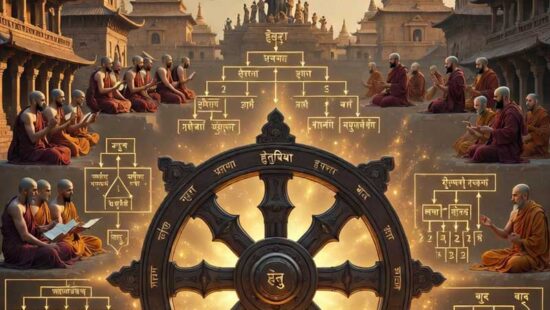
- ● Examining Nyaya and Vaisheshika systems that ground creativity in epistemic clarity and ontological precision (Modules 10–12).
- ● Analyzing how cognition, logic, and sacred perception together shape the emergence of creative insight (Modules 10–12).
- Unit II:Creativity in Language, Literature, and Arts (13–30)
- ● Understanding language (Vyakarana) as a creative and cognitive framework that links sound, meaning, and form (Modules 13–15).
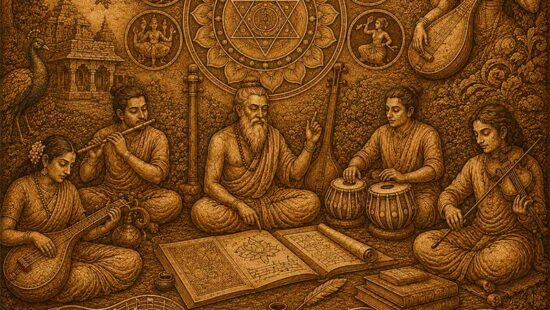
- ● Exploring Sanskrit poetics (Kavya) as a mode of knowledge where rasa and dhvani transform emotion into aesthetic experience (Modules 16–18).
- ● Analyzing classical literary theorists like Rajaśekhara and Abhinavagupta to understand the principles of aucitya and intuitive expression (Modules 19–23).
- ● Examining the creative process in the performing arts (Natya) as embodied philosophy and ritual offering (Modules 22–24).
- ● Investigating how visual arts and architecture express sacred vision through proportion, symbolism, and form (Modules 25–30).
- Unit III: Yogic and Meditative Methods of Visualization (31–39)
- ● Studying Dharana as the discipline of focused visualization that bridges intention, concentration, and manifestation (Modules 31–33).
- ● Understanding Dhyana as a meditative state where inner stillness reveals authentic form and symbol (Modules 34–36).
- ● Exploring Yoga Nidra as a structured method of sacred imagination and symbolic emergence (Modules 37–39).
- ● Applying Yogic and meditative practices to creative design as acts of awareness and alignment with Rta (Modules 31–39).
- Unit IV: Techniques and Practices of Indic Visualization (40–48)
- ● Exploring nature-based design as co-creation with Prakriti, understanding ecological rhythm and symbolic aesthetics (Modules 40–42).
- ● Studying Rekha Vidya, the Indic science of sacred geometry, to interpret form as vibrational order and cosmic harmony (Modules 43–45).
- ● Analyzing Indic symbolism and its translation into contemporary creative contexts (Modules 44–45).
- ● Understanding rituals as immersive and multisensory design frameworks linking intention, participation, and closure (Modules 46–48).
- ● Applying sacred forms and experiential principles to develop emotionally resonant and ethically grounded design (Modules 40–48).
- Unit V: Philosophy of Visualization (49–60)
- ● "• Exploring the metaphysical journey from Avyakta (unmanifest) to Vyakta (manifest) as the basis of creative realization (Modules 49–51).
- ● Understanding Mandala and Koshthaka as symbolic and spatial frameworks that encode cosmic order (Modules 50–54).
- ● Studying Tattva, Shabda, and Antahkarana as metaphysical links between essence, vibration, and form (Modules 55–57).
- ● Learning the sequential procedure of visualization from conceptualization to consecration as outlined in the Vastusutra Upanishad (Modules 58–60).
- ● Reflecting on visualization as Sadhana that integrates knowledge, ethics, and art into a unified creative discipline (Modules 49–60).
More Information
- Learning Objectives
- This course introduces students to creative design visualization rooted in Indic Knowledge Systems. It aims to help learners explore philosophical, artistic, and practical dimensions of creativity (Pratibha), bridging Indic traditions with modern visualization practices.
- Intended Outcomes
- ● To integrate philosophical principles from Yoga, Vedanta, and Vastusutra Upanishad into visualization practices that bridge the inner (subtle) and outer (gross) realms of creative realization.
- ● To cultivate inner stillness, focus, and awareness through Dharana, Dhyana, and Yoga Nidra, enabling visualization as a meditative and disciplined act of design creation.
- ● To analyze and apply frameworks such as Rekha Vidya, Koshthaka, and Mandala to interpret geometry, space, and form as expressions of Rta (cosmic order) and sacred harmony.
- ● To employ Indic creative values such as Aucitya, Viveka, and Loka Dharma in shaping contextually appropriate, culturally rooted, and ethically attuned design outcomes.
- ● To reimagine nature, ritual, and symbolism as participatory co-creators in the design process, grounding creative expression in Prakriti, Bhava, and Sattva for ecological and emotional balance.
- ● To practice visualization as Sadhana, harmonizing knowledge (Jnana), action (Karma), and devotion (Bhakti) to transform design into a conscious act of alignment, service, and self-realization."