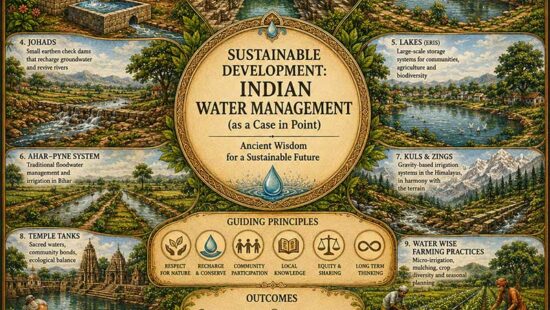
Sustainable Development: Indian Water Management (as a Case in point)
- UG
- STEM
₹2,500.00(GST additional)
About The Course
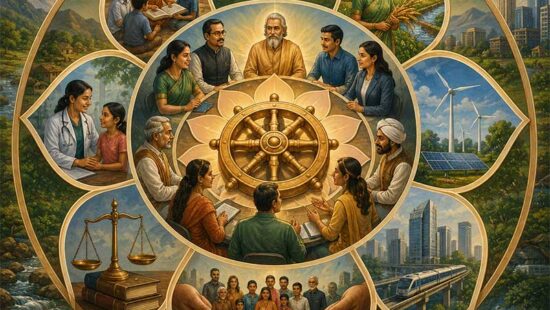
This course explores sustainable development through the lens of Indian water management traditions, presenting water not merely as a resource but as a responsibility rooted in ecological ethics and collective well-being. It draws from Indian Knowledge Systems to reveal how ancient societies designed efficient, resilient, and sustainable water systems that supported thriving civilizations for centuries. Moving beyond theory, the course connects the philosophy of “Sarve Bhavantu Sukhinaḥ” with practical innovations in hydrology, agriculture, and settlement planning. It bridges traditional wisdom with modern environmental challenges, encouraging learners to rethink development as a balanced and sustainable process that respects nature’s limits while meeting human needs.
Syllabus
- Unit 1: Foundations and Philosophical Underpinnings of IKS
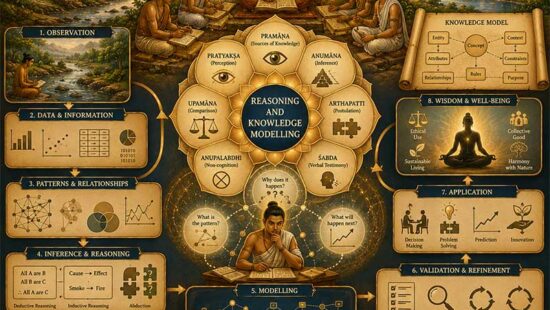
- ● This unit introduces the core philosophy of Indian Knowledge Systems, establishing the conceptual ground required to understand traditional sciences and their contemporary relevance.
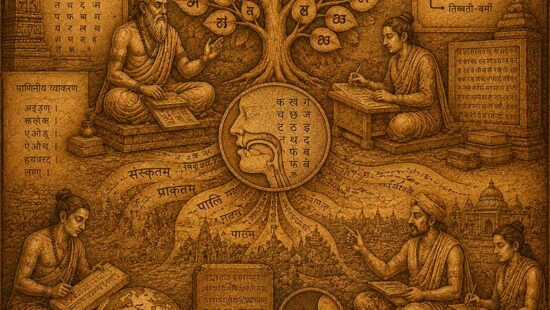
- ● Understanding the philosophical foundations and conceptual underpinnings of the tradition.
- ● Distinguishing between myths and facts regarding Indian scientific traditions.
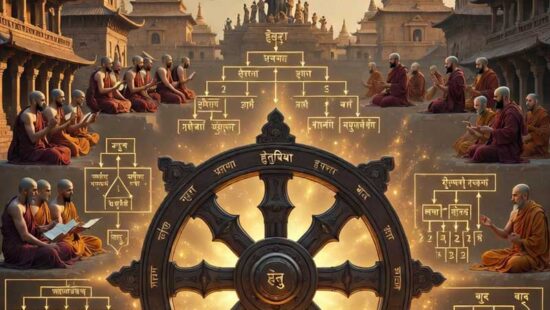
- ● Introduction to the Major philosophical schools and the Nyāya logical systems.
- ● Exploring the contemporary relevance of IKS in the context of Sustainable Development Goals (SDGs), specifically for governance and management.
- Unit 2: Knowledge Transmission, Protection, and Comparative Analysis
- ● This unit focuses on how traditional knowledge is validated and protected, as well as how it compares to modern Western scientific frameworks.
- ● Exploring legal frameworks, Intellectual Property Rights (IPR), and the Traditional Knowledge Digital Library (TKDL).
- ● Understanding the methods used for knowledge acquisition, transmission, and validation.
- ● Conducting a comparative study of scientific traditions between India and the West.
- ● Overview of how IKS principles apply to fields like Vāstu, Āyurveda, and sustainable farming.
- Unit 3: Philosophical and Literary Foundations of Water Management
- ● This unit explores the sacred and cultural dimensions of water in ancient India, tracing hydrological concepts through foundational texts.
- ● Overview of the importance of water management in ancient society and key archaeological evidence.
- ● Exploring the role of water in literature, including concepts from Dharmaśāstra and Arthaśāstra.
- ● Interpreting descriptions of the hydrological cycle found in the Ṛgveda, Mahābhārata, and Rāmāyaṇa.
- ● The role of rivers like the Gaṅgā, Yamunā and Sarasvatī in shaping sacred landscapes and ritual practices.
- ● Analysis of water management and sustainability practices within Buddhist and Jain traditions.
- Unit 4: Engineering, Infrastructure, and Urban Water Systems
- ● This unit focuses on the technological innovations and physical structures used to manage water across different historical periods and civilizations.
- ● Study of the design principles and ecological considerations of tanks, wells, and stepwells (e.g., Rani ki Vav, Chand Baori).
- ● Analysis of the sophisticated irrigation and urban water supply systems at Mohenjo-Daro, Harappa, and Dholavira.
- ● Exploration of ancient techniques for canal building, dam construction (e.g., Sudarshana Lake), and reservoir management.
- ● Techniques for identifying aquifers and managing wastewater and public sanitation in ancient cities.
- Unit 5: Legal Frameworks, Climate Adaptation, and Modern Sustainability
- ● The final unit examines the administrative aspects of water and how traditional knowledge can be integrated into modern sustainability efforts.
- ● Exploring water rights, conflict resolution, and the role of the state versus local communities in managing resources.
- ● Historical adaptation strategies for drought and monsoon variability and their lessons for modern climate change.
- ● Detailed analysis of state policies regarding water security in the Mauryan and Vijayanagara Empires.
- ● Strategies for reviving ancient practices to meet United Nations Sustainable Development Goals (SDGs).
- ● Reflecting on how IKS can contribute to global water sustainability through interdisciplinary collaboration.
More Information
- Learning Objectives
- ● Critically examine the principles of water management found in ancient archaeological and textual sources, comparing their long-term efficacy with modern interventions.
- ● Internalize the foundational philosophy of ‘Sarve Bhavantu Sukhinaḥ’ (may all be happy), understanding it as the bedrock for ethical scientific inquiry and sustainable resource use.
- ● Demonstrate how traditional knowledge serves as a catalyst for innovation, using case studies of ancient hydrological systems to inspire new models for modern water security.
- Intended Outcomes
- ● Develop a critical understanding of IKS as a scientific system, moving past colonial narratives to recognize India’s advanced history in scholarship and technological application.
- ● Bridge traditional Indic water concepts with modern fields such as Civil Engineering, Architecture, and Rural Development, enabling practical application in professional contexts.
- ● Connect historical water management strategies with contemporary global needs, fostering a sense of professional responsibility and ethical decision-making in the face of climate challenges.
- ● Build analytical skills to interpret Indic sources, equipping students to conduct comparative analyses between traditional and modern knowledge systems for better societal outcomes.