About The Course
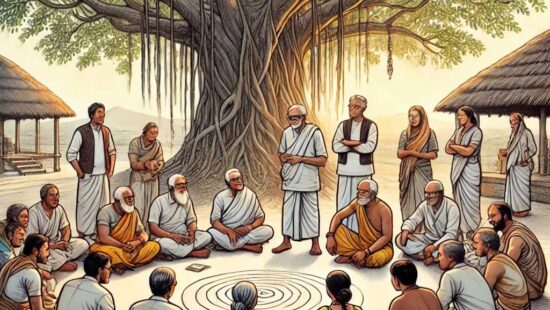
This course introduces students to the philosophy and practice of Design Thinking through the lens of Indian Knowledge Systems (IKS). It encourages innovation that is not only user-centric but also ecologically and ethically grounded.
Syllabus
- Unit I: Foundations of Design Thinking
- ● Understanding Design Thinking: Explore Conceptual Foundations, Stages, and Global Relevance of Design Thinking
- ● Atma Bodha / Svadhyaya (Understanding Self): Learn Reflective Practices from IKS to Integrate Self-Awareness, Ethics, and Resilience into the Design Mindset
- ● Sandharbha (Context) and Lok Dharma: Study Context-Mapping and Dharmic Responsibility in Framing Design Problems
- ● Samvaada (Dialogue): Engage in Dialogic and Ethical Conversations as Design Practice
- ● Sadhana (Dedicated Practice): Cultivate Design as Inner Discipline, Integrating Mindfulness, Resilience, and Transformation through Practice
- Unit II: Empathy and Defining the Design Brief
- ● The Importance of Empathy: Apply Empathy and Indic Ethics like Ahimsa in Research and Mapping User Needs
- ● Personas and Journey Maps: Develop Holistic User Personas and Journey Maps Enriched with IKS Concepts like Saṃskāras, Bhāvas, and Lok Dharma
- ● Viveka (Discerning Intelligence): Use Discernment to Diagnose Root Causes and Ethically Frame Problems
- ● Samasya Lakshanam (Problem Identification): Apply Problem Characterization and Root Cause Analysis with Indic Sensitivity
- ● Framing the Design Challenge: Craft Clear, Context-Sensitive Problem Statements and POVs Guided by IKS Principles
- Unit III: Generating Ideas and Testing
- ● Pratibha (Creative Intelligence): Integrate Maker’s and Experiencer’s Intelligence with Mindfulness and IKS Creativity Practices
- ● Intuition and Inspiration (Pratyabhijña): Harness Intuition, Recognition, and Playfulness (Līlā) to Enrich Ideation
- ● Vikalpanam (Generating Options): Generate Multiple Possibilities and Elegant, Non-Harming Solutions Aligned with Dharma
- ● Modern Creativity Techniques: Explore Brainstorming, Visual Thinking, SCAMPER, and TRIZ while Aligning with IKS Values
- ● Evaluating Ideas: Use Discernment, Saptapadi, MoSCoW, and IKS Ethics to Refine and Prioritize Ideas Responsibly
- Unit IV: Prototyping and Testing
- ● Building Prototypes: Apply Low- and High-Fidelity Prototyping Using Indic Principles like Roopam–Pratiroopam, Tala-Māna, and Rasa
- ● Testing Prototypes: Conduct Reflective and Ethical Prototype Testing through Dharma, Ahimsa, Seva, and Pramāṇa Frameworks
- Unit V: Iteration and Holistic Design
- ● Vishleshan (Analysis) and Chikitsa (Evaluation): Transform Feedback into Structured, Ethical Insights, Evaluating Design as an Act of Healing and Responsibility
- ● Iterative Design Process: Practice Iteration as Sacred Craftsmanship, Guided by Viveka, Lok Dharma, and Temporal Awareness
- ● Holistic Thinking (Sarva-Bhūta Hita): Embrace the Well-Being of All Beings, Integrating Sustainability, Ethics, and Community Well-Being into Design Frameworks
More Information
- Learning Objectives
- ● To understand and apply the stages of Design Thinking from an IKS perspective
- ● To explore empathy, intuition, discernment, and dialogue as design tools
- ● To cultivate a mindset of sustainable and context-sensitive innovation
- Intended Outcomes
- ● Students will be able to design solutions that integrate user needs with social and ecological values
- ● Proficiency in applying IKS-rooted methods of creativity and systemic thinking to develop meaningful innovations