Impacting Communication with Reasoning
- UG
- Law, Management, STEM, Upcoming Courses
₹2,500.00(GST additional)
About The Course
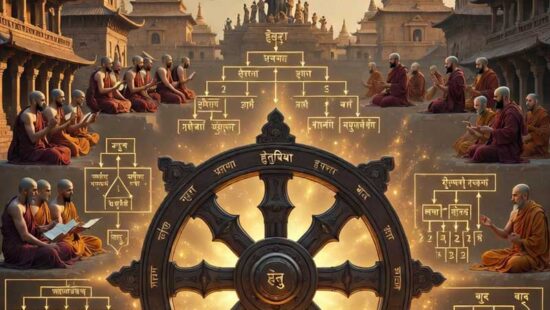
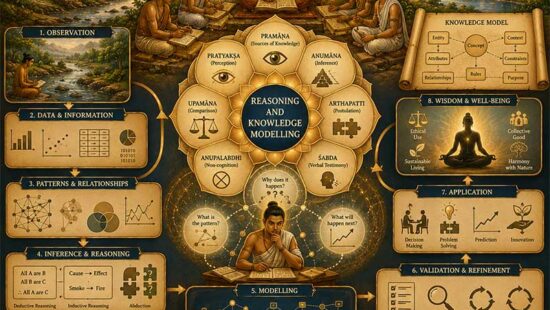
This course investigates the symbiotic relationship between linguistic structures and cognitive inquiry, integrating the grammatical theories found in the Mahābhāṣya, Vākyapadīya, etc., with the rigorous logical frameworks of Buddhist philosophical thought. By conceptualizing communication as a sophisticated continuum of language, thought, and meaning, the curriculum addresses the essential requirement for structured reasoning to transform communicative exchanges into valid, disciplined arguments. Through the application of Buddhist syllogisms and debate techniques, students explore the critical intersections between perception and logic, enabling them to navigate complex ethical and social dilemmas with sharpened intellectual clarity.
Syllabus
- Unit 1: Foundations of Buddhist Reasoning and Logical Inquiry
- ● This unit introduces the historical and philosophical roots of Indian logic and the specific role of reasoning within Buddhist thought.
- ● The Roots of Indian Logic and the historical significance of Buddhist reasoning.
- ● The Role of Debate as a central tool for intellectual traditions and self-inquiry.
- ● Key logical structures: Comparison, inference, and the basics of logical analysis.
- ● The link between logic, ethics, and enlightenment.
- ● Applying Buddhist logical categories to refine modern reasoning.
- Unit 2: Buddhist Syllogistic Theory and Ontological Frameworks
- ● This unit delves into advanced reasoning structures and the Buddhist understanding of reality that informs rational discourse.
- ● Catuṣkoṭi: Mastering the Four-Cornered Logic of early Buddhism.
- ● Syllogistic Theory: Differentiating between statements of qualities and statements of pervasion (Vyāpti).
- ● Mechanics of Forward Pervasion and Counterpervasion in forming valid arguments.
- ● Concepts of selflessness and the "building blocks" of reality (matter, consciousness, and non-associated factors).
- ● The power of Tarka (thoughtful questioning) and requirements for rational discourse.
- Unit 3: Indic Foundations of Communication Thought and Language
- ● This unit shifts to communication theory, comparing Western models with traditional Indian perspectives like Sādhāraṇīkaraṇa.
- ● Defining Communication: Shannon-Weaver transmission model versus Indian aesthetic models.
- ● Language, Thought, and Reality: Insights from Mahābhāṣya and Vākyapadīya on how language shapes perception.
- ● Principles of truth and purity of expression (e.g., satyam brūyāt, priyam brūyāt).
- ● Grammar for Clarity: How Paninian tradition aims to eliminate ambiguity (sādhu vs. asādhu words) to ensure effective communication.
- ● Brevity and Substance: The communication brilliance of Sūtras in conveying maximum meaning with minimum words.
- Unit 4: Communication Practices: Narrative, Performance, and Rhetoric
- ● This unit explores the practical application of communication theories through debate, storytelling, and classical aesthetics.
- ● Adapting persuasive strategies based on audience analysis, as seen in the Caraka Saṃhitā.
- ● The use of classical Alankāra (figures of speech) and metaphors to influence audiences.
- ● Narrative techniques in the Pañcatantra and their modern parallels in "edutainment".
- ● Using emotional flavor from the Nātyaśāstra to create shared feelings in an audience.
- ● Applying ancient principles of clarity, tone, and audience awareness to modern media contexts.
- Unit 5: Intercultural, Technological, and Mindful Communication
- ● The final unit synthesizes traditional knowledge with modern challenges, including cross-cultural exchange, technology, and mindful dialogue.
- ● Using Sanskrit as a historical link language and examining India's cultural-linguistic diversity through modern frameworks.
- ● Strategic message strategy and communication etiquette (sambhāṣaṇa).
- ● Comparing modern transactional models with the Sādhāraṇīkaraṇa model of mutual understanding.
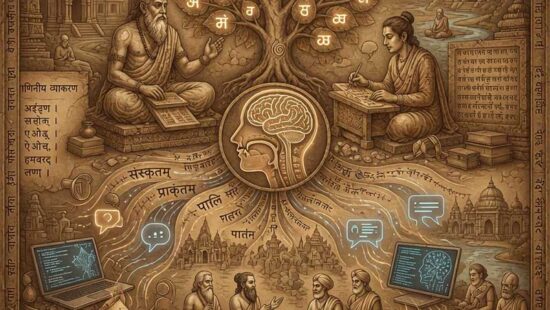
- ● The influence of Pāṇini’s formal grammar on computational linguistics and AI.
- ● Integrating "Right Speech" (samyak vāk) and restraint in speech from Indian philosophical traditions for active listening.
More Information
- Learning Objectives
- ● Evaluate the foundational principles of communication and the relationship between perception and logic found in Indian and Buddhist traditions.
- ● Develop a structured approach to logical inquiry by mastering Buddhist reasoning structures and syllogisms.
- ● Integrate traditional Indian linguistic insights with modern communication frameworks to enhance critical thinking.
- Intended Outcomes
- ● Elucidate the fundamental principles of Buddhist reasoning and differentiate between valid and invalid forms of arguments.
- ● Confidently participate in structured debates using traditional reasoning models to solve contemporary issues.
- ● Recognize the importance of grammatical and structural dimensions of language in ensuring the clarity of communicated meaning.
- ● Build a unique framework that connects traditional knowledge systems with modern professional communication and critical thinking.